As a pet owner in Las Vegas or Henderson, Nevada, you already know that life here comes with its own unique challenges: scorching summers, busy schedules, and a pace that rarely slows down. What you might not realize is how much of that energy your pet absorbs. Dogs and cats are incredibly sensitive to their environment, and when something is off, their bodies and behavior will show it. Knowing how to recognize the signs of stress in your pet is one of the most important things you can do to keep them healthy, happy, and thriving in the desert.
Why Las Vegas Pets Face Unique Stressors
Before we talk about what stress looks like, it helps to understand what’s causing it, especially here in the Mojave Desert.
Extreme heat is the most obvious stressor. Henderson and Las Vegas regularly hit temperatures above 110°F during the summer months. Asphalt can reach 160°F on a July afternoon, making midday walks not just uncomfortable but absolutely dangerous. When pets can’t exercise normally, pent-up energy builds quickly, which can lead to anxiety.
Noise is another major trigger for most pets. Las Vegas is a city that never sleeps. Fireworks, traffic, construction, and general urban commotion are constants. For dogs especially, sudden loud sounds can trigger a fear response that lingers long after the noise has stopped.
Other common stressors for local pets include:
- Owners traveling or working irregular hours (very common in a hospitality-driven city)
- New people or animals entering the home
- Changes in routine during the summer when kids are home from school
- Moving between homes or short-term rentals
- Lack of adequate mental and physical stimulation when it’s too hot to go outside
Behavioral Signs of Stress in Your Pet
Behavior is usually the first place stress shows up, and the easiest to spot if you know what you’re looking for.
Excessive vocalization
If your dog is barking, whining, or howling more than usual, or your cat has become unusually loud and demanding, they may be trying to communicate that something feels wrong.
Destructive behavior
If your dog or cat chews your shoes, scratches furniture, and digs at doors, it is often misread as a pet being “bad”, when in reality they just need to release their energy. More often, it’s a sign of boredom, anxiety, or frustration, particularly in dogs who aren’t getting enough exercise during hot months.
Hiding and withdrawal
are especially common in cats. A stressed cat will disappear under the bed, behind appliances, or into closets. Dogs may avoid eye contact, tuck their tails, or stop engaging with family members they normally love.
Restlessness and pacing
If your pet has difficulty settling, is constantly moving, or is circling repeatedly, it’s a signal that your pet’s nervous system is in overdrive.
Changes in appetite
Eating significantly less, refusing treats they normally love, or conversely, stress-eating everything in sight can all indicate elevated anxiety.
Aggression or sudden irritability
This is another red flag. A pet that snaps, growls, hisses, or swipes without obvious provocation is often overwhelmed and has run out of other ways to communicate.
Physical Signs of Stress in Your Pet
Stress doesn’t stay in the mind; it moves into the body. Here are the physical symptoms that pet owners in Las Vegas should watch for, especially during hot weather, when stress and heat can compound each other.
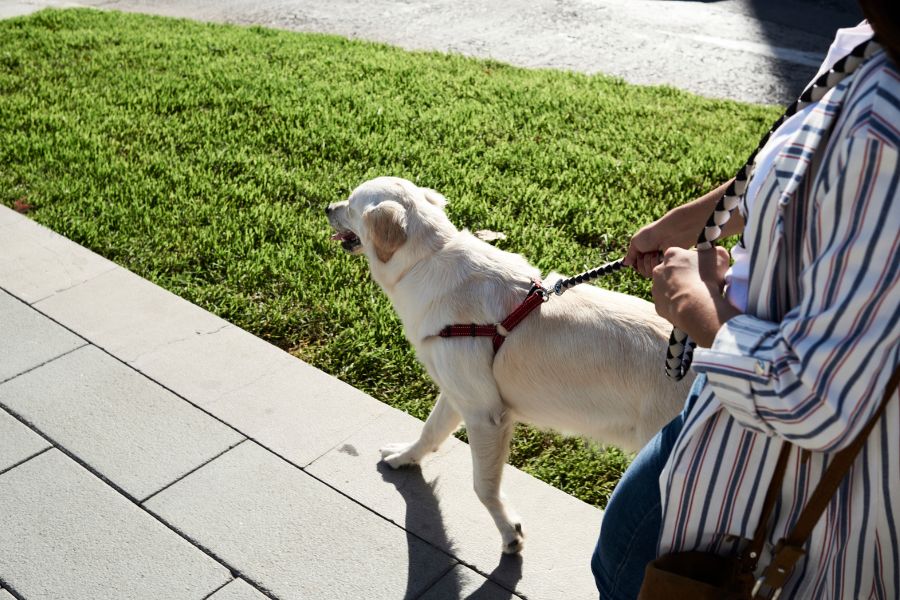
Heavy panting at rest: Some panting after exercise is normal. Panting while your pet is lying down indoors, in air conditioning, is not. This is a key sign of anxiety in dogs.
Trembling or shaking: When it is not caused by cold, it is almost always fear- or stress-related. If your dog shakes during thunderstorms or fireworks shows, that’s a classic stress response.
Obsessive licking or grooming: Dogs that lick their paws raw and cats that over-groom until they develop bald patches are self-soothing. It’s the pet equivalent of stress-eating or nail-biting.
Digestive upset: Stress directly impacts the gut. Diarrhea, vomiting, or constipation without a dietary explanation, especially following a change in routine or environment, is often stress-related.
Excessive shedding: A sudden increase in fur loss, beyond normal seasonal shedding, can be triggered by stress. If you’re finding significantly more hair than usual, don’t dismiss it.
Subtle body language cues in dogs: Yawning outside of nap time, repeatedly licking the lips, and “whale eye” (when you can see the whites of your dog’s eyes) are all calming signals that indicate discomfort. These are easy to miss but important to know.
Signs of Heat-Specific Stress
Summertime in Nevada creates a double threat: physical heat stress and behavioral stress from disrupted routines. When walks are cut short or skipped because it is too hot outside, dogs lose their primary way to release their energy and get mental stimulation. That pent-up energy almost always turns into anxiety, which leads them to behave in undesirable ways.
Here’s how to help your pet manage during the brutal summer months:
- Walk only during safe hours: early morning before 9 AM or after 8 PM when pavement has had time to cool.
- Do the 5-second test: press the back of your hand to the pavement for 5 seconds; if it’s too hot for you, it’s too hot for paws.
- Hydrate constantly: the dry desert air means pets lose moisture faster; always have cool, fresh water available.
- Create indoor enrichment: puzzle feeders, training sessions, and indoor play replace the mental stimulation of outdoor walks.
- Never leave a pet in a parked car: Las Vegas vehicles can hit deadly interior temperatures in under 10 minutes, even with windows cracked.
Watch closely for signs of heat exhaustion: excessive drooling, glazed or unfocused eyes, rapid heartbeat, stumbling, or disorientation. This is a medical emergency; get your pet into air conditioning immediately and contact your vet.
When to See a Veterinarian
Some symptoms of stress overlap with symptoms of illness, and it’s not always easy to tell the difference. If your pet’s behavior or physical condition changes suddenly or significantly, a veterinary visit is always the right call.
When chronic stress is untreated, it can suppress the immune system and worsen existing health conditions. This can reduce your pet’s quality of life over time. If a clean bill of health rules out physical illness, ask your vet about behavioral strategies, supplements, or other interventions that can help.
How a Consistent Routine and the Right Support Makes All the Difference
One of the most effective ways to reduce stress in your pet is simple: keep their routine as consistent as possible. Regular feeding times, predictable walks, and familiar faces go a long way toward helping animals feel safe and secure, especially in a city as unpredictable as Las Vegas.
That’s where All Creatures Pet Sitting comes in. As a pet-sitting and dog-walking company serving Las Vegas and Henderson, our goal is to be the steady, reliable presence your pet can count on when your schedule gets busy this summer. Whether you’re working long shifts, traveling for business, or just navigating a busy season, we keep your pet’s routine intact so they don’t have to pay the price.
If you’ve noticed any of the signs above and think your dog or cat could use more structure, companionship, and care, we’d love to help. Reach out today to learn more about our services because a calmer pet means a happier home for everyone.
Your pet can’t use words to tell you something’s wrong. But they’re always communicating; you just have to know how to listen.